China
Track HAN-SEA shipments in real-time with Paxlo. Get instant updates on your Chinese ocean freight deliveries across Asia and beyond.
HAN-SEA is a Chinese ocean freight company operating out of major ports including Shanghai, Shenzhen, and Qingdao. Founded to serve the rapid growth of e-commerce and manufacturing exports from China, HAN-SEA has built a reputation for reliable service across Asia-Pacific routes. The carrier focuses on competitive pricing and straightforward logistics without unnecessary complexity.
As a newer player in the Chinese shipping market, HAN-SEA targets small to medium-sized exporters who need affordable ocean freight solutions. They operate both full container loads (FCL) and less-than-container loads (LCL), making them flexible for businesses of different sizes. Their primary trade lanes connect China to Southeast Asia, East Asia, and increasingly to South Asia and beyond.
China dominates global shipping volume, and HAN-SEA represents the newer generation of carriers adapting to digital-first business models. While established carriers like COSCO and EVERGREEN focus on massive volumes, HAN-SEA competes by offering personalized service and faster communication. They've invested in modern booking systems and tracking technology to appeal to shippers who expect transparency.
The carrier operates from all three major Chinese shipping hubs. Shanghai handles their heaviest volume, but their presence in Shenzhen gives them access to southern manufacturing clusters. This multi-port strategy lets them serve factories and trading companies across China without forcing shipments through congested Shanghai routes.
HAN-SEA primarily operates on routes connecting China to Thailand, Vietnam, Malaysia, Indonesia, Philippines, South Korea, and Taiwan. They've recently expanded service to India and Bangladesh as those markets have grown. Their vessel schedule is less frequent than mega-carriers, which means planning ahead matters when booking HAN-SEA shipments.
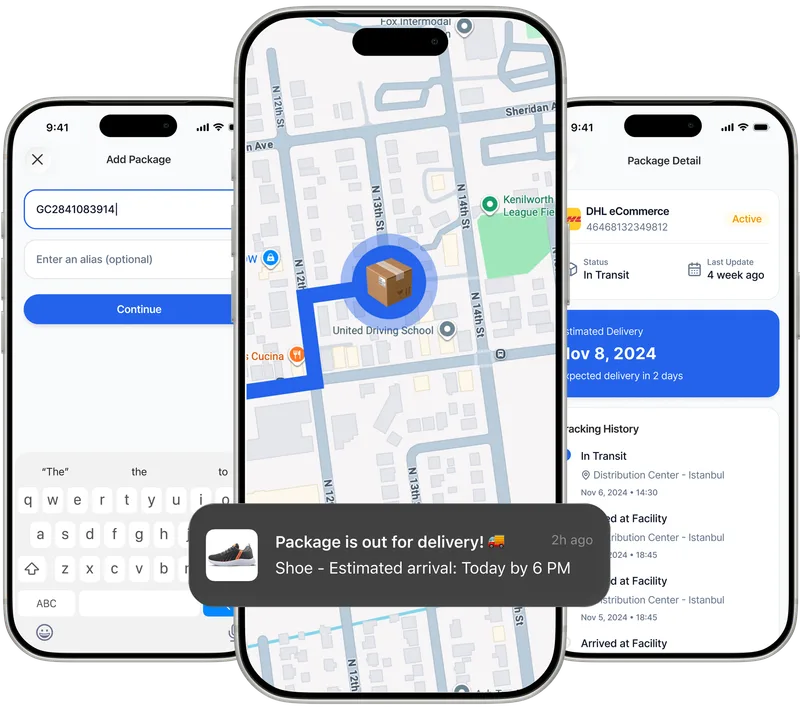
Paxlo integrates with HAN-SEA's booking and tracking systems to give you live updates on your ocean freight shipments. Instead of emailing the carrier every day asking for status, Paxlo pulls their data directly and displays it on your phone. You'll know when your container departs the Chinese port, when it's at sea, and when it arrives at the destination port.
The app shows you HAN-SEA's estimated delivery dates alongside actual progress. If there are delays, you'll see them immediately rather than discovering the problem at delivery. Port congestion, weather delays, and scheduling changes appear in real-time, so you can update your downstream customers before they contact you.
Many importers using HAN-SEA spend hours each week coordinating with agents and waiting for email updates. Paxlo eliminates that friction. You'll know your shipment status within minutes of any change, not hours or days later.
Add your HAN-SEA booking reference or container number to Paxlo. The app connects to HAN-SEA's systems and begins tracking immediately. If you've already received your bill of lading, use the container number printed on it. Updates flow to your phone throughout the journey, from Shanghai or Shenzhen through to final discharge at the destination port.
You don't need to set up an account with HAN-SEA's website or contact their office. Paxlo handles the technical integration, so you get visibility without managing another username and password. Install Paxlo on your phone, add your shipment, and you're tracking.
If you're importing electronics, textiles, or machinery from China to Southeast Asia, HAN-SEA is a logical choice for cost-conscious shippers. Their typical transit times from Shanghai to Bangkok run 5-7 days, while Shanghai to Ho Chi Minh City takes 4-6 days. LCL consolidation shipments take longer but save money when you don't have enough cargo for a full container.
Exporters of raw materials, components, or finished goods find HAN-SEA useful for regular volume shipments. The carrier's booking system is straightforward, and they don't require the minimum volumes that larger carriers sometimes prefer. This accessibility makes them popular with growing companies that need reliable shipping at honest prices.
HAN-SEA operates scheduled services, so departure times are fixed. They don't offer the frequency of EVERGREEN or COSCO, meaning you may need to wait 7-10 days for your next available sailing. Plan accordingly if you have tight delivery deadlines. Once the vessel departs, ocean transit is relatively predictable unless bad weather occurs.
Port clearance and final delivery to your door depend on your destination country, not HAN-SEA. They'll deliver to the port, and local agents or your customs broker handle the rest. This separation is important to understand when managing customer expectations. Paxlo tracks the ocean portion; port and inland delivery may require separate tracking.
Open Paxlo and enter your HAN-SEA container number or booking reference. The app connects directly to HAN-SEA's tracking system and displays real-time updates. You'll see port departures, estimated arrival dates, and any delays. Push notifications alert you to major status changes so you don't have to check manually.
Most HAN-SEA routes from Shanghai or Shenzhen to major Southeast Asian ports take 4-8 days at sea, depending on the destination. Bangkok typically takes 5-7 days, Ho Chi Minh City 4-6 days, and Manila 3-5 days. Add 2-3 days for port operations and customs on each end. LCL shipments may spend extra time in consolidation, so plan for 10-14 days total for those.
Yes. Add each shipment separately to Paxlo using its container number or booking reference. The app displays all your active HAN-SEA shipments in one dashboard, so you can monitor your entire portfolio without juggling multiple tabs or emails. Filter by origin port, destination, or status to find what you need quickly.
Paxlo pulls live data from HAN-SEA and displays actual vessel movements. If your container is delayed at Shanghai due to congestion or weather, you'll see that reflected in the updated ETA. The app doesn't predict future delays, but it captures them in real-time as they happen, so you're never surprised by bad news after the fact.
You need either your HAN-SEA container number (found on your bill of lading) or your booking reference. Some shipments are tracked by both. The more specific your entry, the faster Paxlo locates and updates your shipment. If you have your bill of lading, copy the container number directly to avoid typos.
Paxlo pulls data from the same source as HAN-SEA's website, but presents it on your phone with push notifications and cleaner formatting. You don't need to log into HAN-SEA's portal separately. Paxlo is faster and designed for mobile, while HAN-SEA's portal is browser-based. Both show the same tracking information; Paxlo just makes it easier to access.
Download Paxlo and track all your packages in one place. Free, fast, and trusted by 50,000+ users worldwide.