China
Track LATAM packages in China with Paxlo. Real-time updates for international shipments from South America's leading airline carrier.
LATAM Airlines Group operates one of the largest cargo networks in the Americas. The airline's freight division handles millions of shipments annually, moving everything from perishables and pharmaceuticals to electronics and machinery across continents. When you're waiting for a package from South American suppliers or exporters, LATAM cargo flights are often what's bringing it to your door in China.
The carrier maintains dedicated cargo operations separate from passenger flights, meaning your shipment gets professional handling and priority scheduling. This infrastructure has made LATAM a backbone of South America's export economy for decades.
LATAM was formed in 2012 through the merger of LAN Airlines and TAM Airlines, creating a powerhouse that serves over 140 destinations across the Americas and beyond. The company's cargo division inherited decades of expertise from both legacy carriers. Today, LATAM operates one of the world's largest fleets of freighter aircraft, with routes connecting major South American cities to Asia, Europe, and Africa.
In the context of Chinese imports, LATAM plays a critical role. Many Chinese manufacturers and trading companies use LATAM to import raw materials, components, and finished goods from Chile, Peru, Colombia, and Brazil. The airline's network reaches Shanghai, Beijing, and Guangzhou regularly, making it a primary option for time-sensitive shipments.
LATAM cargo flights operate on fixed schedules between South America and Asia, with multiple weekly departures from Santiago (Chile's hub) and weekly service from Sao Paulo (Brazil). Typical transit times from South America to China range from 8 to 14 days depending on the route and whether the shipment requires customs inspection.
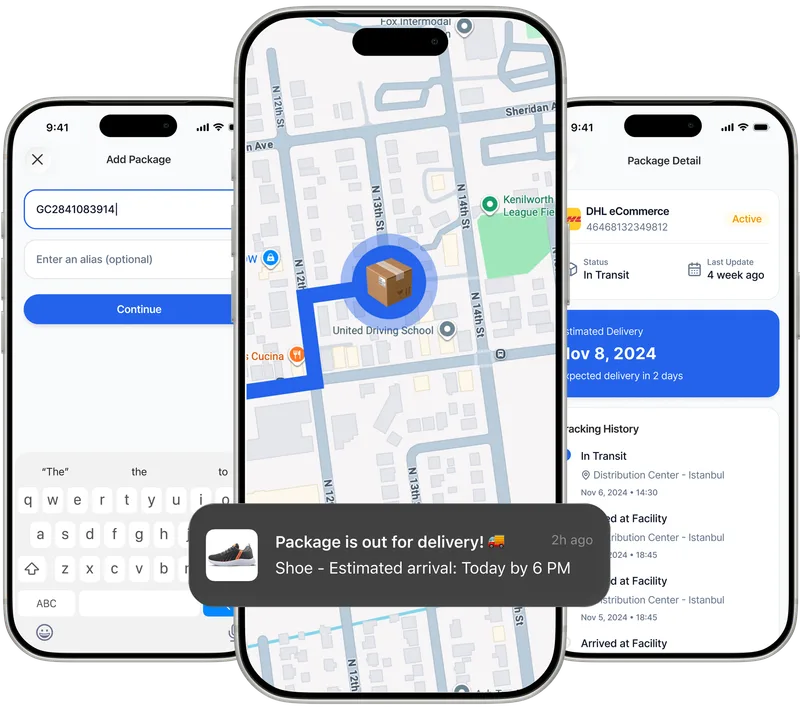
Paxlo connects directly to LATAM's tracking systems, pulling live data about your shipment's location, flight status, and estimated delivery time. Instead of jumping between airline websites, customs portals, and local carrier apps, you get everything in one place.
When your LATAM package arrives in China, Paxlo automatically switches to tracking the final-mile delivery through local carriers like ZTO, SF Express, or YTO. You'll see the moment it lands, clears customs, and gets handed off for local delivery. Push notifications alert you to delays, delivery attempts, and successful arrivals so you're never left wondering where your shipment is.
Many Chinese businesses importing from South America rely on LATAM repeatedly. Paxlo makes managing multiple shipments simple, letting you track dozens of packages simultaneously and spot patterns in delivery performance. Some users set custom alerts for specific routes to catch delays early and adjust their supply chain accordingly.
LATAM's primary Asia routes focus on major economic centers. A shipment originating in Santiago will typically fly to Miami or Dallas for consolidation, then continue to Shanghai or Beijing. This two-leg journey adds 1 to 2 days but ensures full plane loads and better pricing.
Sao Paulo (Brazil) to Shanghai is a direct route that takes roughly 22 to 26 flight hours, but total transit including ground handling can stretch to 3 to 5 days. Once the plane lands in China, customs clearance adds another 1 to 3 days unless you've pre-cleared documentation. After that, local delivery takes 2 to 5 days depending on your destination city.
LATAM carries roughly 40% of all air cargo exported from South America. That scale means competitive pricing, frequent flights, and reliable service. The airline invests heavily in customs infrastructure at origin airports, which speeds up departure times. They also maintain strong relationships with Chinese customs brokers, reducing clearance delays.
The carrier's emphasis on on-time performance matters when you're managing inventory across continents. LATAM publishes detailed performance metrics and holds itself accountable to service level agreements, giving importers confidence in planning their supply chains.
Download Paxlo on iOS or Android and enter your LATAM AWB (air waybill) number. The app recognizes it automatically and begins pulling tracking data. You can add multiple LATAM shipments, organize them by project or supplier, and receive notifications tailored to your preferences.
If you're a frequent importer, link your accounts with customs brokers or freight forwarders who use LATAM. Paxlo integrates with many logistics platforms, allowing them to push tracking data directly to your phone. This eliminates the need to manually input tracking numbers for every shipment.
Most users find that Paxlo saves 10 to 15 minutes per shipment compared to checking multiple websites. For companies importing weekly from South America, that adds up to meaningful time savings and fewer missed delivery windows.
Total transit time typically ranges from 8 to 14 days depending on origin city and your Chinese destination. Santiago to Shanghai averages 10 to 12 days. Sao Paulo to Shanghai averages 12 to 14 days. This includes flight time, ground handling, customs clearance, and local delivery. Paxlo shows real-time estimates based on your specific shipment's route and current flight schedule.
Yes. Once you enter your LATAM AWB number in Paxlo, you'll see tracking data from the moment the shipment is picked up at origin. You'll watch it move through the airport, get loaded on the aircraft, depart South America, arrive in China, clear customs, and finally get handed to local delivery carriers. Each stage shows the date, time, and location.
You can set alerts for shipment pickup, aircraft departure, arrival in China, customs clearance completion, and final delivery. Paxlo also sends proactive notifications if there are flight delays, cancellations, or customs holds that affect your estimated delivery date. You control which notifications you receive and how you want to be alerted, email, push, or SMS.
Paxlo tracks your shipment through Chinese customs by pulling data from port authority systems and customs brokers. You'll see when your goods arrive at the port, when customs begins inspection, and when clearance is approved. If there's a hold or additional documentation needed, Paxlo alerts you immediately so you can contact your broker or LATAM's local office to resolve it quickly.
Absolutely. Add as many LATAM AWB numbers as you need. Paxlo organizes them in a dashboard where you can sort by delivery date, origin city, or custom labels. If you import weekly or monthly, you might have 5 to 10 shipments in transit simultaneously. Paxlo shows all of them at a glance and alerts you to any issues across the entire batch.
After customs clearance, LATAM typically hands the shipment to a local Chinese carrier for final-mile delivery. Common carriers include ZTO, SF Express, YTO, and others depending on your destination. Paxlo automatically tracks the handoff and follows your package through the local carrier until it reaches your address. You won't need a separate app for Chinese delivery, Paxlo handles both stages in one place.
Download Paxlo and track all your packages in one place. Free, fast, and trusted by 50,000+ users worldwide.