Switzerland
Track MSC shipments in real-time with Paxlo. Get instant updates on your container and cargo movements across global maritime routes.
Mediterranean Shipping Company, commonly known as MSC, stands as one of the world's largest container shipping lines. Based in Geneva, Switzerland, MSC operates a fleet of over 700 vessels and serves more than 450 ports across six continents. The company handles roughly 20 million containers annually, making it a critical player in global supply chains.
Founded in 1970 by Gianluigi Aponte, MSC has grown from a regional operator into a truly global maritime powerhouse. The company maintains a Swiss heritage while operating with truly international reach. MSC's commitment to innovation and reliability has made it the carrier of choice for importers, exporters, and freight forwarders worldwide.
MSC offers comprehensive ocean freight services tailored to different business needs and cargo types. Whether you're shipping electronics, textiles, automotive parts, or perishables, MSC maintains specialized services to match your requirements.
MSC operates on all major trade routes, including Asia-Europe, Asia-North America, Europe-Latin America, and Intra-Asia services. The company's frequent departures and extensive port network mean shorter transit times and more scheduling flexibility for shippers.
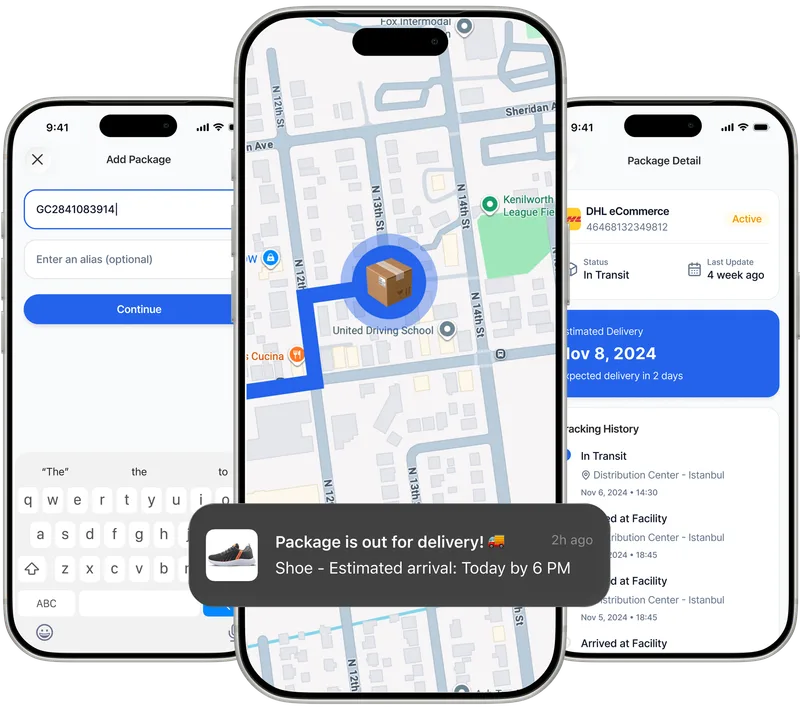
Paxlo connects directly to MSC's tracking infrastructure, pulling real-time data about your shipments. Instead of jumping between carrier websites and email notifications, you get all your MSC shipments in one mobile app. The integration covers container-level tracking, port-to-port updates, and vessel information.
When you input an MSC bill of lading number or container number into Paxlo, the app automatically fetches the current location, estimated arrival time, and any delays or schedule changes. You'll receive push notifications at key milestones, so you're never caught off guard by unexpected delays. The app also shows vessel information, including current speed, position, and expected port arrival times.
MSC's Geneva headquarters places it at the center of global maritime commerce. Switzerland's central European location, combined with its reputation for precision and reliability, reflects the company's operational philosophy. MSC handles the financial and administrative backbone of international shipping while maintaining operational centers in key port cities worldwide.
This Swiss-based structure means consistent, predictable service standards. MSC applies rigorous compliance protocols across all operations, ensuring your shipments meet international regulations regardless of destination.
Importers benefit from better supply chain visibility, allowing them to coordinate warehouse staff and reduce demurrage charges. Exporters can provide customers with accurate delivery windows, improving satisfaction. Freight forwarders gain the ability to track client shipments and proactively communicate status changes.
MSC carries roughly 10-12% of the world's containerized cargo. This means if you're importing or exporting internationally, there's a significant chance your shipment will touch an MSC vessel. The company's size creates both advantages and challenges. On the positive side, frequent departures and extensive coverage mean you have shipping options. On the challenge side, congestion during peak seasons can cause delays across the entire network.
Real-time tracking through Paxlo becomes particularly valuable during these peak periods. You can see exactly where your container sits and anticipate delays before they impact your business. This visibility transforms from a nice-to-have feature into a critical operational tool.
MSC operates distinct services across various global corridors, each with different transit times and port sequences. Understanding which service your shipment uses helps set realistic expectations.
Paxlo displays your specific service name and expected waypoints, so you understand the planned route. When actual positions deviate from the planned route, you get alerts immediately. This distinction matters, because unexpected routing changes often signal operational problems requiring urgent attention.
Port congestion causes the majority of delays in international shipping. MSC vessels sometimes wait days for berth availability, especially at major gateways like Singapore, Rotterdam, and Shanghai. Paxlo tracks port queue positions and historical dwell times, helping you estimate actual arrival windows more accurately than published schedules.
The app pulls data about typical berthing sequences and port congestion levels. If your vessel normally takes two days to load/unload but the port currently has five vessels ahead of you, Paxlo reflects this reality. You can then coordinate downstream logistics, notify customers, or arrange alternative arrangements before delays cascade through your supply chain.
Open Paxlo and tap the add shipment button. Enter your MSC bill of lading number (starts with 01961) or your container number (XXXX format). Paxlo immediately connects to MSC's system and displays your container's current location, vessel name, estimated arrival time, and port sequence. You'll see updates as your shipment progresses through each port.
Paxlo displays the vessel's current GPS coordinates, heading, speed, and estimated time of arrival at the next port. You can see the complete port itinerary for your shipment's service, historical performance data for that vessel, and real-time delays or schedule changes. The app also shows whether the vessel is currently at sea, in port, or transiting through narrow passages like the Suez Canal.
MSC updates tracking data multiple times daily. Paxlo syncs with these updates automatically, typically within 2-4 hours of MSC's system receiving new information. Critical events like vessel arrivals, departures, and customs clearance milestones trigger immediate push notifications. You don't need to manually refresh or check constantly, Paxlo alerts you when important changes occur.
Yes. Once your MSC container arrives at its destination port, Paxlo shows the actual arrival date and time. The app then tracks the customs clearance process and documentation steps required before pickup. Most containers become available for pickup within 24-48 hours of vessel arrival, though this varies by port and customs complexity. Paxlo calculates estimated pickup readiness based on historical port performance data and current clearance backlogs.
Paxlo immediately notifies you of delays and shows the reason when available. Common delay causes include port congestion, mechanical issues, or weather disruptions. The app updates estimated arrival times in real-time as situations develop. You can share these updates directly with your customers or freight forwarder through the app, ensuring everyone stays informed. For LCL (less than container load) shipments, delays might extend consolidation windows, and Paxlo accounts for this in its revised timelines.
Paxlo tracks both full container load (FCL) and less than container load (LCL) shipments. For FCL shipments, you track the specific container. For LCL shipments, Paxlo tracks the consolidation container and shows when your cargo is loaded and unloaded at transshipment points. The app indicates which containers carry your LCL shipment, so you can monitor the exact cargo alongside other shipments in the same container.
Download Paxlo and track all your packages in one place. Free, fast, and trusted by 50,000+ users worldwide.