United States
Track Pitney Bowes packages with real-time updates and instant delivery notifications. Monitor your USMI and Newgistics shipments effortlessly in one app.
Pitney Bowes is a global shipping and mailing solutions provider that has quietly become one of the most important players in ecommerce logistics. Founded in 1920, this Connecticut-based company evolved from postage meter manufacturing into a technology powerhouse handling millions of packages daily. If you've ordered something online from a smaller retailer or international seller, there's a strong chance Pitney Bowes is moving your package behind the scenes.
The company operates several distinct shipping services under its umbrella.Pitney Bowes Presort Serviceshandles bulk mail sorting for businesses.USMI (United States Mail Innovations)consolidates lightweight packages before handing them to USPS for final delivery. TheNewgisticsdivision, acquired in 2017, specializes in returns management and parcel delivery. Understanding which service is handling your shipment matters because each operates differently and connects with USPS at different points in the delivery chain.
Pitney Bowes doesn't typically deliver packages directly to your door. Instead, it acts as a hybrid carrier that moves packages through the first mile and middle mile of the journey, then transfers them to USPS for the final delivery. This model keeps costs low for online retailers while leveraging the Postal Service's extensive last-mile network.
When you receive a Pitney Bowes tracking number, your package follows this general path:
This explains why tracking sometimes shows confusing status updates. The package might scan in at a Pitney Bowes facility in one state, then appear days later at a USPS facility in another. Both carriers update their respective systems, but the information doesn't always sync cleanly. That's where dedicated tracking apps like Paxlo become essential.
Different retailers choose different Pitney Bowes services based on package weight, destination, and speed requirements. Recognizing which service is handling your shipment helps set realistic delivery expectations.
International shipments deserve special attention.Many sellers on AliExpress, Wish, and similar platforms use Pitney Bowes to bridge the gap between Chinese logistics networks and the US delivery system. Your package might show minimal tracking updates while overseas, then suddenly populate with detailed scans once it enters the Pitney Bowes network on US soil.
Anyone who has tracked a Pitney Bowes package knows the experience can test your patience. Tracking numbers sometimes show no updates for days. Status messages can be vague or contradictory. The handoff between Pitney Bowes and USPS creates a gap where packages seem to vanish into thin air.
These issues aren't necessarily signs that something is wrong. Pitney Bowes prioritizes cost efficiency over speed, which means packages might sit in consolidation centers waiting for enough volume to justify the next transport. Rural destinations add extra time because packages must reach regional USPS hubs before local distribution. And during peak seasons like November and December, processing times can double.
The tracking number format itself can cause confusion. Pitney Bowes uses various formats depending on the service: standard 22-digit numbers starting with 92 or 93, 34-digit Newgistics numbers, or even USPS-compatible formats that work across both systems. Enter the wrong number into the wrong tracking portal and you'll get no results, even though your package is moving normally.
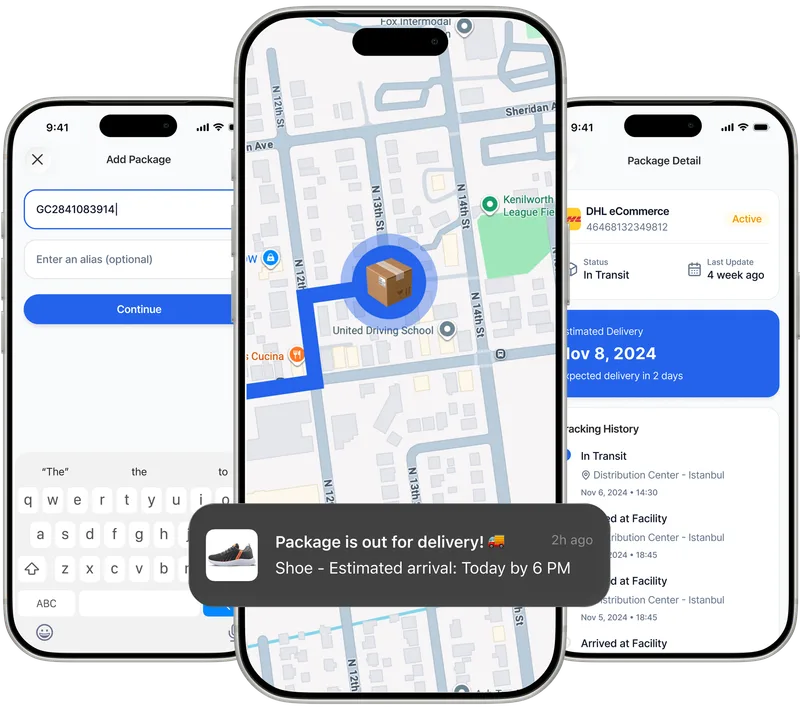
Paxlo automatically detects Pitney Bowes tracking numbers and monitors both the Pitney Bowes network and USPS systems simultaneously. You don't need to check multiple websites or guess which carrier currently has your package. The app consolidates all tracking events into a single, clear timeline.
When you add a Pitney Bowes tracking number to Paxlo, the app immediately identifies the service type and provides an estimated delivery window based on current transit patterns. As your package moves through facilities, you receive push notifications for every meaningful scan. The moment USPS takes possession, Paxlo seamlessly continues tracking without requiring any action from you.
Key features that make tracking easier:
For frequent online shoppers who regularly receive Pitney Bowes shipments from various retailers, this centralized approach saves significant time and mental energy. You no longer need to remember which packages are where or which websites to check.
Delays happen, especially with economy shipping services. Before assuming your package is lost, check how long it has actually been. If the tracking shows no movement for 7 to 10 business days, or if the estimated delivery date has passed by more than 5 days, it's reasonable to take action.
Start by contacting the seller rather than Pitney Bowes directly. The retailer contracted with Pitney Bowes and has more leverage to investigate. Most reputable sellers will either file a trace request or send a replacement if the package appears stuck. Document the tracking history with screenshots before reaching out.
If you need to contact Pitney Bowes customer service, have your complete tracking number ready along with the seller's name and your delivery address.Their support team can see internal scan data that might not appear on public tracking. Sometimes packages scan at facilities but those scans don't upload to the tracking system until the next checkpoint.
Paxlo helps during delays by maintaining a complete history of all tracking updates. If scans suddenly disappear from the official Pitney Bowes site (which occasionally happens during system updates), your Paxlo app retains the original data. This documentation proves valuable when filing claims or disputes.
Standard Pitney Bowes delivery typically takes 5 to 10 business days for domestic shipments, though this varies significantly based on origin and destination. Expedited services can deliver in 2 to 5 days. International packages entering the US through Pitney Bowes often take 10 to 20 business days total, with most of that time spent in transit before reaching US soil. Rural addresses generally add 2 to 3 extra days compared to urban delivery. Using Paxlo's tracking helps you monitor actual progress rather than relying solely on estimates.
Tracking gaps of 3 to 7 days are common with Pitney Bowes, especially during the consolidation phase when packages wait for sufficient volume before moving to the next facility. Your package is likely in transit but hasn't reached a scanning checkpoint. International shipments show even longer gaps while moving overseas. If tracking shows no updates for more than 10 business days, contact your seller to request a shipping investigation. Paxlo sends notifications immediately when new scans appear, so you don't waste time repeatedly checking.
Sometimes, but not always. Once USPS takes possession of your package, the tracking number will work on usps.com and show final delivery scans. However, the earlier Pitney Bowes facility scans typically won't appear in the USPS system. Some tracking numbers work across both carrier sites, while others only function on the Pitney Bowes tracking portal. Paxlo eliminates this confusion by automatically checking both systems and combining all available information into one timeline.
This status indicates Pitney Bowes has completed its portion of the shipping journey and handed your package to the Postal Service for final delivery. Your package is now in the local USPS distribution network, typically 1 to 3 days away from delivery depending on your location. The tracking number should start showing USPS scans within 24 hours of the transfer. Paxlo continues monitoring through this handoff automatically, so you'll see updates from both carriers without switching apps.
Pitney Bowes is reliable for its intended purpose: low-cost shipping where speed isn't the priority. Packages do arrive, but rarely quickly. The company processes millions of parcels monthly with acceptable delivery rates, though not matching premium carriers like UPS or FedEx. Reliability issues usually stem from unrealistic expectations rather than actual lost packages. If you ordered something with free or very cheap shipping, Pitney Bowes is often handling it, and patience is required. Track your shipments with Paxlo to stay informed about realistic delivery timing.
Contact the seller first, as they hold the shipping contract with Pitney Bowes and must initiate claims. Provide your tracking number and explain the issue (non-delivery or damage). Most sellers will file a trace request if the package appears lost or offer a replacement for damaged items. If the seller is unresponsive and you paid with a credit card, dispute the charge with your card issuer. Pitney Bowes customer service can assist sellers with claim filing but won't process claims from recipients directly. Keep all tracking history from Paxlo as documentation for your claim.
Once USPS takes possession, you can sometimes request package hold at your local post office through the USPS website or by contacting the destination facility directly. However, while the package is still in the Pitney Bowes network, pickup options are extremely limited and generally not available to individual recipients. The package must move through the established delivery chain. Paxlo's notifications help you know exactly when to expect home delivery, reducing the temptation to arrange complicated pickup attempts.
Download Paxlo and track all your packages in one place. Free, fast, and trusted by 50,000+ users worldwide.