SILK is a major express logistics provider based in China, operating as one of the country's key domestic and international shipping networks. The carrier specializes in parcel delivery, e-commerce fulfillment, and supply chain solutions across mainland China and select international routes. With hundreds of distribution centers and pickup points, SILK handles millions of shipments annually for businesses of all sizes, from small online retailers to large enterprises.
The company built its reputation on speed and reliability within China's competitive logistics market. SILK invests heavily in sorting automation, last-mile delivery infrastructure, and real-time tracking systems to meet the demands of China's booming e-commerce sector. If you've received packages from Chinese retailers or merchants, there's a good chance SILK handled part of the journey.
China's logistics industry is one of the world's largest by volume and complexity. SILK operates within this high-stakes environment, competing directly with established carriers like SF Express, ZTO, and YTO. The carrier has positioned itself as a flexible, cost-effective option for merchants who need reliable coverage without premium pricing. This focus has helped SILK capture significant market share in tier-2 and tier-3 cities where growth potential remains high.
What makes SILK distinctive is its commitment to operational transparency and modernization. The carrier has invested in AI-powered sorting facilities, driver route optimization, and mobile-first customer service tools. These investments reflect broader trends in Chinese logistics, where technology adoption directly correlates with competitive advantage.
SILK's service levels vary by region and destination. Within major metropolitan areas, standard delivery typically takes 1-3 business days. Smaller cities and rural areas may require 3-7 days. The carrier publishes clear service standards, though delays can occur during peak seasons like Chinese New Year or Singles Day shopping events.
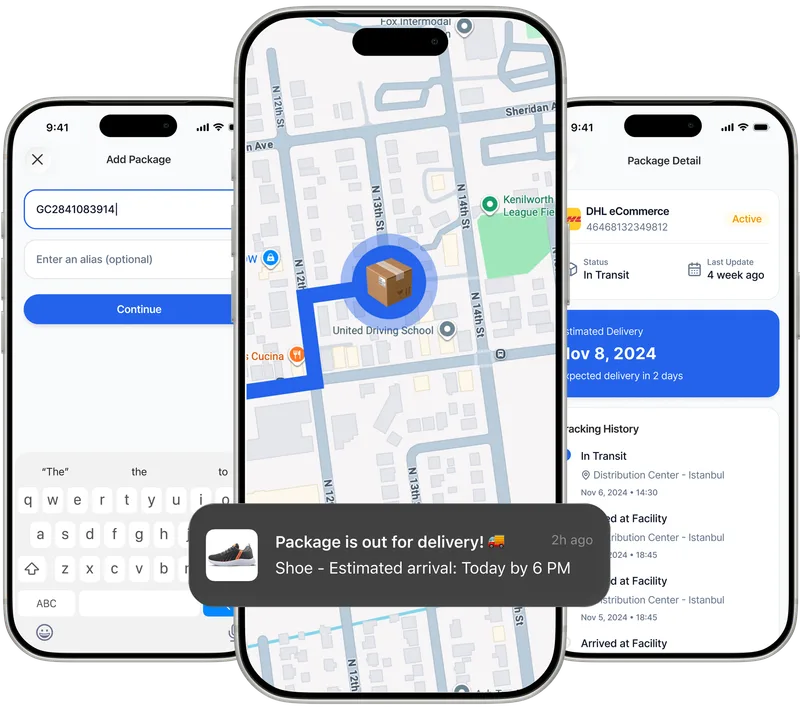
Paxlo connects directly to SILK's tracking API, pulling shipment data and real-time status updates into a single, user-friendly app. Instead of juggling multiple carrier websites or copying tracking numbers between apps, you get all your SILK parcels organized in one place. This matters because Chinese shipping numbers often look cryptic to Western users, and SILK's native platform may not be accessible or intuitive for non-Chinese speakers.
When you add a SILK tracking number to Paxlo, the app automatically recognizes the carrier and begins monitoring your shipment. You'll receive push notifications at key milestones: when the parcel leaves the origin facility, when it arrives at regional sorting hubs, and when it reaches your local delivery point. Paxlo also shows estimated delivery windows based on SILK's historical performance data for your specific route.
Many international customers order regularly from Chinese merchants on Alibaba, Wish, or Taobao. SILK is a common choice for these sellers because of its competitive rates. Paxlo eliminates the friction of tracking these shipments by providing a standardized interface that works the same way whether you're tracking a SILK parcel from Guangzhou or a DHL package from Germany.
SILK tracking numbers typically follow a consistent format: a 13-digit code beginning with specific prefixes that identify the service type and origin region. Unlike some international carriers that use alphabetic prefixes, SILK numbers are predominantly numeric. When you paste a SILK number into Paxlo, the app validates the format and confirms it's a legitimate SILK shipment before attempting to fetch tracking data.
If a tracking number doesn't immediately populate with data, it usually means the parcel hasn't been handed off to SILK yet, or the merchant entered the number incorrectly. Paxlo shows this to you clearly so you can contact the seller if needed. The app will continue polling SILK's system, updating as soon as new information becomes available.
When you're tracking a SILK parcel destined for delivery within China, you'll see the shipment move through a standard sequence. The parcel gets scanned at the pickup location, transported to a regional sorting facility, transferred to a local delivery hub, and finally handed to a delivery driver for final-mile service. Each step generates a tracking event that appears in Paxlo. Delivery usually happens during business hours, though arrangements can be made for evening or weekend delivery in some areas.
For international shipments via SILK, the process is slower and more complex. The parcel moves through export customs, crosses a border (typically into Hong Kong or through a Mainland China customs checkpoint), and then enters the receiving country's postal or courier system. This handoff point is crucial, and Paxlo tracks you through it so you know when to expect delivery in your home country.
Delays happen. Weather, equipment failures, and sorting errors all contribute to slower-than-expected deliveries. Paxlo shows you the actual vs. estimated timeline, so you can see at a glance whether your SILK shipment is on track. If a parcel shows no updates for several days, Paxlo's interface makes it easy to note the issue and flag it for action. You can then contact the seller or SILK customer service with specific tracking data and dates to support your claim.
Most SILK delivery disputes are resolved within 7-14 days. The carrier has customer service hotlines and online portals, though response times and language support vary. Paxlo doesn't resolve disputes directly, but it gives you organized data that makes any conversation with customer service more productive.
First, verify the expected delivery date in Paxlo. If the parcel is genuinely late (hasn't been delivered within 5 business days after the expected window for domestic shipments), contact the merchant or SILK customer service. Have your tracking number, date of order, and screenshots from Paxlo ready to share. SILK typically investigates late deliveries and compensates with refunds or credits if the delay was their fault. Most disputes are resolved within two weeks. Paxlo's tracking history provides the documentation you need to support any claim.
Download Paxlo and track all your packages in one place. Free, fast, and trusted by 50,000+ users worldwide.