Australia
Track Toll packages across Australia with real-time updates and delivery notifications through Paxlo's automated tracking system.
Toll Group stands as one of Australia's largest and most established logistics providers, operating for over 130 years. Founded in 1888 in Newcastle, New South Wales, Toll has evolved from a single horse and cart operation into a comprehensive logistics network spanning road, rail, sea, and air freight. The company manages millions of parcels annually, serving both major metropolitan areas and remote regional communities across the continent.
Today, Toll operates under the Japan Post Holdings umbrella, combining local Australian expertise with international logistics infrastructure. The network includes over 500 locations across Australia and employs more than 20,000 people. Whether you're receiving business freight, e-commerce orders, or priority express deliveries, Toll's integrated network handles diverse shipping needs across multiple service tiers.
Toll operates multiple specialized divisions, each catering to different shipping requirements. Understanding which service is handling your package helps set accurate delivery expectations.
Each division generates unique tracking numbers, though all integrate into Toll's central tracking infrastructure. Paxlo automatically recognizes these various formats and retrieves the correct shipment data regardless of which Toll service handles your package.
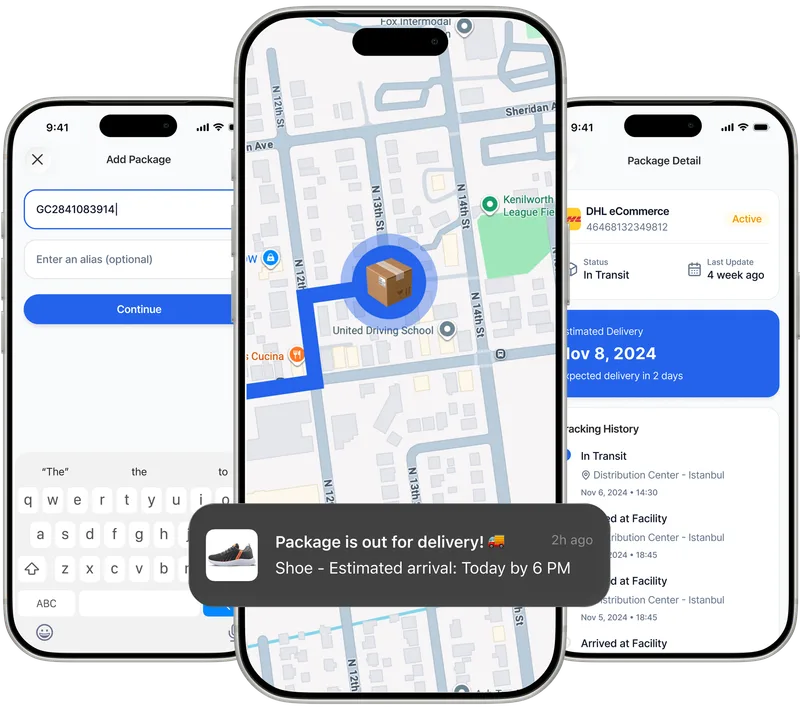
While Toll provides tracking through its website and customer portals, Paxlo transforms this into a centralized, mobile-first experience designed for convenience. The app connects directly to Toll's tracking systems, pulling real-time status updates without requiring you to navigate multiple carrier websites or remember different login credentials.
Simply paste your Toll tracking number into Paxlo once. The app immediately identifies the carrier, fetches current shipment status, and begins monitoring for changes. Every scan event, location update, or delivery exception triggers an instant push notification to your phone. This eliminates the need for manual refresh cycles or email checking.
The app works equally well for individuals tracking occasional online purchases and businesses managing high shipment volumes. You can monitor everything from urgent Toll Priority overnight documents to slower freight consignments moving through regional distribution centers.
Toll uses various tracking number formats depending on the service division. Priority services typically use 10-digit numeric codes, while IPEC freight often features alphanumeric connote numbers starting with letters. International shipments may include customs reference numbers alongside standard tracking identifiers.
Paxlo's recognition engine handles this complexity automatically. The system validates your tracking number format, identifies the correct Toll service, and pulls the appropriate data stream. You don't need to specify whether your package is Priority, IPEC, or international freight.
Common scan events you'll see in your Paxlo timeline include:
Each event includes timestamp and location data when available. For business addresses with account relationships, you may see additional detail like receiver names or specific loading dock references.
Toll's network reaches approximately 98% of the Australian population, including remote communities that many competitors avoid. However, delivery speeds vary significantly based on destination. Metropolitan Sydney, Melbourne, Brisbane, Perth, and Adelaide typically receive next-day service for Priority shipments lodged before afternoon cutoff times.
Regional and rural areas operate on different schedules. Towns serviced by twice-weekly linehaul runs may experience 3 to 7 business day transit times even for Priority services. Remote locations in Northern Territory, far north Queensland, or Western Australia's interior can extend to 10 business days during wet season or when road conditions affect scheduled routes.
Paxlo helps manage these expectations by showing your package's actual progress rather than generic estimated dates.If your shipment sits at a regional hub waiting for the next scheduled run, you'll see that in the tracking timeline instead of wondering why delivery hasn't occurred.
Tracking visibility becomes especially valuable when problems arise. Delayed shipments, missed deliveries, or packages stuck at customs all generate specific scan events that Paxlo surfaces immediately. Rather than discovering issues days later through generic email notifications, you receive real-time alerts the moment Toll's system registers an exception.
If tracking shows no updates for several days beyond expected transit time, Paxlo's history view helps you identify exactly where the delay occurred. You can screenshot the tracking timeline when contacting Toll customer service, providing specific depot names and timestamps rather than vague complaints about late delivery.
For international shipments cleared through Toll Global Forwarding, customs holds generate specific status codes. Paxlo displays these with timestamps, helping you understand whether you need to provide additional documentation or simply wait for standard customs processing to complete.
Toll Priority offers next-day delivery between major capital cities when lodged before cutoff times, typically around 3 PM. Metro-to-metro shipments usually arrive within 1 to 2 business days. Regional destinations range from 2 to 7 business days depending on distance and service frequency to that area. Remote locations can take up to 10 business days. Paxlo shows actual transit progress so you know whether your specific package is on schedule.
New tracking numbers typically take 6 to 24 hours to appear in Toll's system after generation. If the sender just created the label but hasn't lodged the package yet, no scan data exists. Once Toll performs the first depot scan, Paxlo retrieves that information within minutes. For packages stuck without updates beyond 48 hours, the shipment may be delayed at a sorting facility or the tracking number might be incorrect. Verify the number with your sender and check for typos.
'Carded' indicates the driver attempted delivery but no one was available to receive the package. Toll left a collection card with details about the nearest depot where your parcel is held. You can collect it in person with ID or arrange redelivery through Toll's customer service. Paxlo shows this status immediately so you can take action the same day rather than discovering the card days later.
Yes. Paxlo tracks Toll Global Forwarding shipments including international freight and customs clearance stages. The app displays both the Toll tracking events and any partner carrier scans from origin countries. For imports, you'll see when packages arrive in Australia, clear customs, and transfer to Toll's domestic network for final delivery. All events appear in one unified timeline.
Your Toll tracking number comes from whoever sent the package. Online retailers include it in shipping confirmation emails, usually within 24 hours of dispatch. Business senders receive connote numbers on their lodgement receipts. The number format varies but typically contains 10 to 15 characters mixing letters and numbers. Once you have it, paste it into Paxlo and the app automatically recognizes it as a Toll shipment.
Check the delivered scan details in Paxlo for the exact timestamp and any location notes. Toll drivers sometimes deliver to building receptions, building managers, or neighbors if authorized. Look around your property for packages left in safe locations. If you still can't locate it after checking these spots, contact Toll customer service immediately with your tracking number. Paxlo's tracking history provides proof of the delivery claim and helps expedite investigation.
Paxlo supports all Toll service divisions including Priority express parcels, IPEC freight consignments, and Global Forwarding shipments. The app automatically identifies which Toll service is handling your package based on the tracking number format and retrieves the appropriate tracking data. You don't need to specify the service type manually.
Download Paxlo and track all your packages in one place. Free, fast, and trusted by 50,000+ users worldwide.