ZTO Freight is one of China's leading express delivery companies, operating a massive logistics network that handles millions of parcels daily. Founded in 2002, ZTO has grown into a critical player in China's e-commerce ecosystem, serving businesses and consumers across the country with reliable package delivery. The company manages one of the largest fleet operations in Asia, with sorting facilities in major cities and a presence in over 3,000 counties.
Unlike smaller regional carriers, ZTO operates with industrial-scale infrastructure. Their network connects directly to major e-commerce platforms including Alibaba, and handles shipments for both B2B and B2C logistics. This scale means your packages move through a highly optimized system, but it also means tracking requires a reliable tool that keeps up with their volume and complexity.
ZTO Freight has become essential infrastructure for Chinese e-commerce. The company processed over 8 billion parcels in recent years, making it a backbone carrier for retailers of all sizes. Their competitive pricing and nationwide coverage have made them the default choice for merchants who need cost-effective shipping without sacrificing speed or reliability. ZTO operates in a highly competitive market where margins are thin and performance expectations are high, which has forced continuous innovation in their tracking systems and delivery networks.
The company has invested heavily in automation, building state-of-the-art sorting facilities that use AI-powered routing to optimize delivery times. ZTO's logistics centers process packages at rates exceeding 10,000 parcels per hour in major hubs. This technology-first approach means tracking data is constantly updated, but you need an app that can display this information clearly and in real-time.
ZTO's regional hub structure is designed for speed. Major sorting facilities in Beijing, Shanghai, Guangzhou, and Chengdu act as distribution centers, with smaller hubs fanning out to prefecture-level cities. This creates a multi-tier network where packages move through 3-5 handoff points depending on origin and destination. Each transition point generates tracking data, which is why real-time visibility matters so much for high-volume shippers.
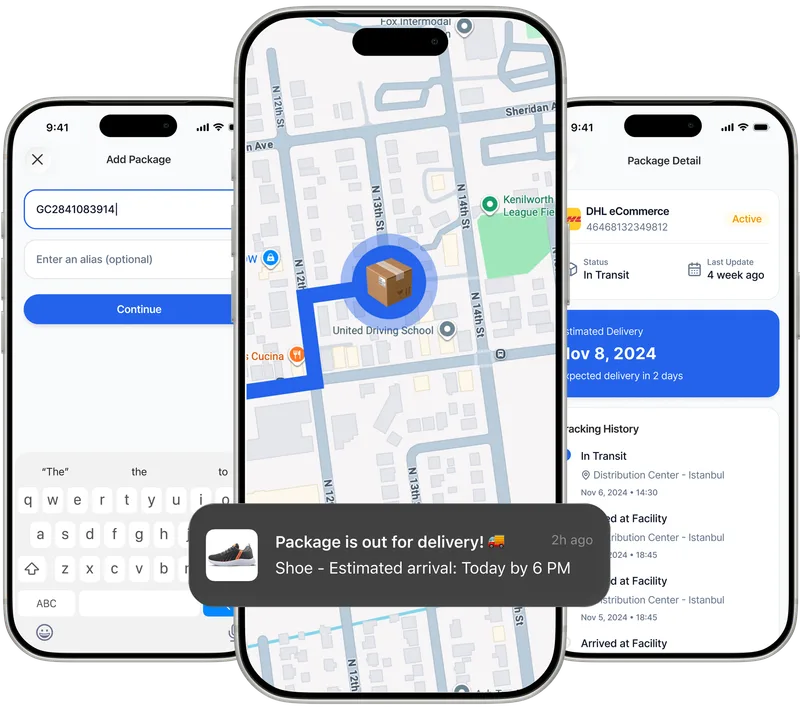
Paxlo connects directly to ZTO's tracking API, pulling live shipment data without delay. When you add a ZTO tracking number to Paxlo, the app retrieves the complete journey of your package, from pickup through final delivery. Unlike checking ZTO's website repeatedly, Paxlo consolidates all your shipments in one mobile interface, with notifications pushed straight to your phone whenever status changes occur.
The integration handles ZTO's unique tracking structure. Paxlo interprets ZTO's facility codes, timestamps, and location data, translating them into human-readable updates. So instead of seeing raw facility IDs, you get clear information like 'Package arrived at Shanghai Regional Hub' or 'Out for delivery in your area.' This matters because ZTO's tracking data is voluminous but not always customer-friendly without proper translation.
Tracking matters when you're waiting for something important. ZTO's massive volume means occasional delays are inevitable, and customers appreciate knowing exactly where their package is rather than guessing. Paxlo gives you that visibility without the frustration of checking multiple courier websites or dealing with ZTO's mobile site that isn't optimized for quick lookups.
For small business owners who use ZTO for fulfillment, Paxlo is particularly valuable. You can track shipments for your own customers without logging into different systems. If a delivery fails, Paxlo shows you the exact reason, whether it's a wrong address, recipient unavailable, or delivery exception. This insight helps you communicate better with customers and identify patterns in delivery problems.
Speed of information is also critical. Paxlo's notifications arrive faster than checking ZTO's website manually, which means you know about delays immediately and can take action. If a package is stuck at a facility, Paxlo's timeline view shows you exactly how long it's been waiting, helping you decide whether to contact ZTO customer service or give it more time.
ZTO's on-time delivery rate typically ranges from 95-97% for domestic shipments, though this varies by destination and season. Peak periods like Spring Festival or major shopping events can see slightly longer delivery windows as the entire logistics sector gets stressed. Their regional performance also varies, with first-tier city deliveries usually arriving on schedule while remote areas may experience delays due to geographic challenges.
The company has implemented financial penalties for late deliveries, which incentivizes their sorting centers and courier staff to maintain schedules. This means ZTO takes delivery windows seriously, and their tracking data is usually accurate. When Paxlo shows an estimated delivery date, it's based on ZTO's own calculations, which have been refined through handling billions of parcels.
ZTO generates tracking records at each major transition point. When you pick up a package from a merchant, ZTO's system records it as 'Picked up.' The package then moves to a local sorting facility, creating a 'Arrived at local facility' update. From there, it travels to a regional hub, generating another scan. Finally, it moves to the destination city facility and out for delivery.
This multi-point system means you might see 4-6 updates during a typical 3-day delivery. The gaps between updates don't necessarily mean your package is stuck, rather it's in transit between facilities and not yet at a scanning point. Paxlo's timeline view shows these gaps clearly, so you understand the difference between normal transit time and actual delays.
If your ZTO package hasn't updated in 24 hours and is beyond the expected delivery window, Paxlo shows you exactly when to take action. Most minor delays resolve themselves within another 24 hours as packages clear facility backlogs. But if you see your package stuck at the same facility for more than 48 hours, contact ZTO's customer service with your tracking number and they can investigate.
Paxlo saves time here because you have complete tracking history at your fingertips when you call ZTO. Instead of explaining vaguely where your package might be, you can cite specific update timestamps and facility names, making it easier for customer service to locate your shipment in their system and troubleshoot the issue.
Open Paxlo and tap the plus icon to add a new shipment. Paste your ZTO tracking number into the search field. Paxlo automatically recognizes it as a ZTO shipment and pulls live tracking data directly from their network. You'll see a timeline of all status updates, current location, and estimated delivery date. The app refreshes automatically, so you always have the latest information without manually checking.
ZTO tracking numbers don't generate data until the package is physically scanned at their facility, typically within 24 hours of pickup. If your tracking number was just created, wait a day before worrying. If it's been longer and still shows no activity, the tracking number might be incorrect or the merchant might not have submitted the shipment yet. Double-check the number against your order confirmation, then contact the merchant if it still doesn't appear.
Yes. When your ZTO package is successfully delivered, Paxlo displays a delivery photo taken by the courier if one is available. This photo serves as proof that your package arrived. If no photo appears, ZTO's driver either didn't have a camera available or the option wasn't enabled for your particular shipment. Either way, the 'Delivered' status in Paxlo confirms the handoff, and you can see the exact time of delivery.
Paxlo calculates delivery estimates based on ZTO's own promise times and current package location in their network. For typical urban deliveries, estimates are usually accurate within 24 hours. However, estimates can shift if your package encounters delays at a facility or if network congestion causes routing changes. Paxlo updates the estimate whenever ZTO's data shows changes, so check the app for the most current timeline. Regional deliveries to remote areas have wider time windows and are less predictable.
ZTO generates exception messages for specific reasons: address errors, recipient unavailable, or packaging damage. Paxlo displays the exact exception message that ZTO recorded. Common ones include 'Customer not available' (nobody answered the door) or 'Address unclear' (courier couldn't locate the building). If you see an exception, contact ZTO with your tracking number and the exception code. ZTO will either reattempt delivery or let you pick up from their facility. Some exceptions automatically resolve if the recipient provides corrected information.
Paxlo displays ZTO's contact information within your shipment details, so you can call or message them directly. However, Paxlo's chat support can also help troubleshoot common tracking issues or explain what specific status updates mean. For simple questions about where your package is or when it's arriving, Paxlo's interface usually answers them without needing to contact ZTO. Save their direct contact for issues that require action, like exception handling or redirecting delivery.
Download Paxlo and track all your packages in one place. Free, fast, and trusted by 50,000+ users worldwide.